Flow
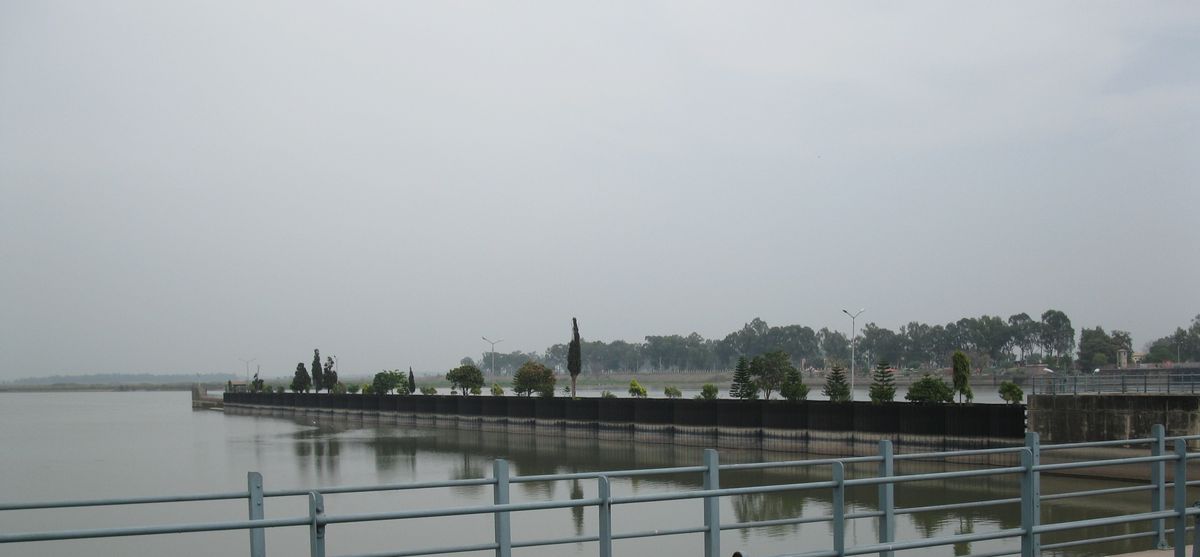
Every summer the ice melts, and snow and ice give the Chenab about half its water. At Marala, near Sialkot, canals carry it out across the plain.
Basmati from the Kalar tract of Punjab, sealed in 5 kg bags.
Scroll for the journeyHima Rice aims to bring you the highest quality rice at an affordable price.
Hima is named for the snow that feeds the rivers that water the plains where our basmati grows.
Every summer the ice melts, and snow and ice give the Chenab about half its water. At Marala, near Sialkot, canals carry it out across the plain.
Our basmati grows between the Chenab and the Ravi, in Sialkot, Narowal, Gujranwala, Hafizabad and Sheikhupura.
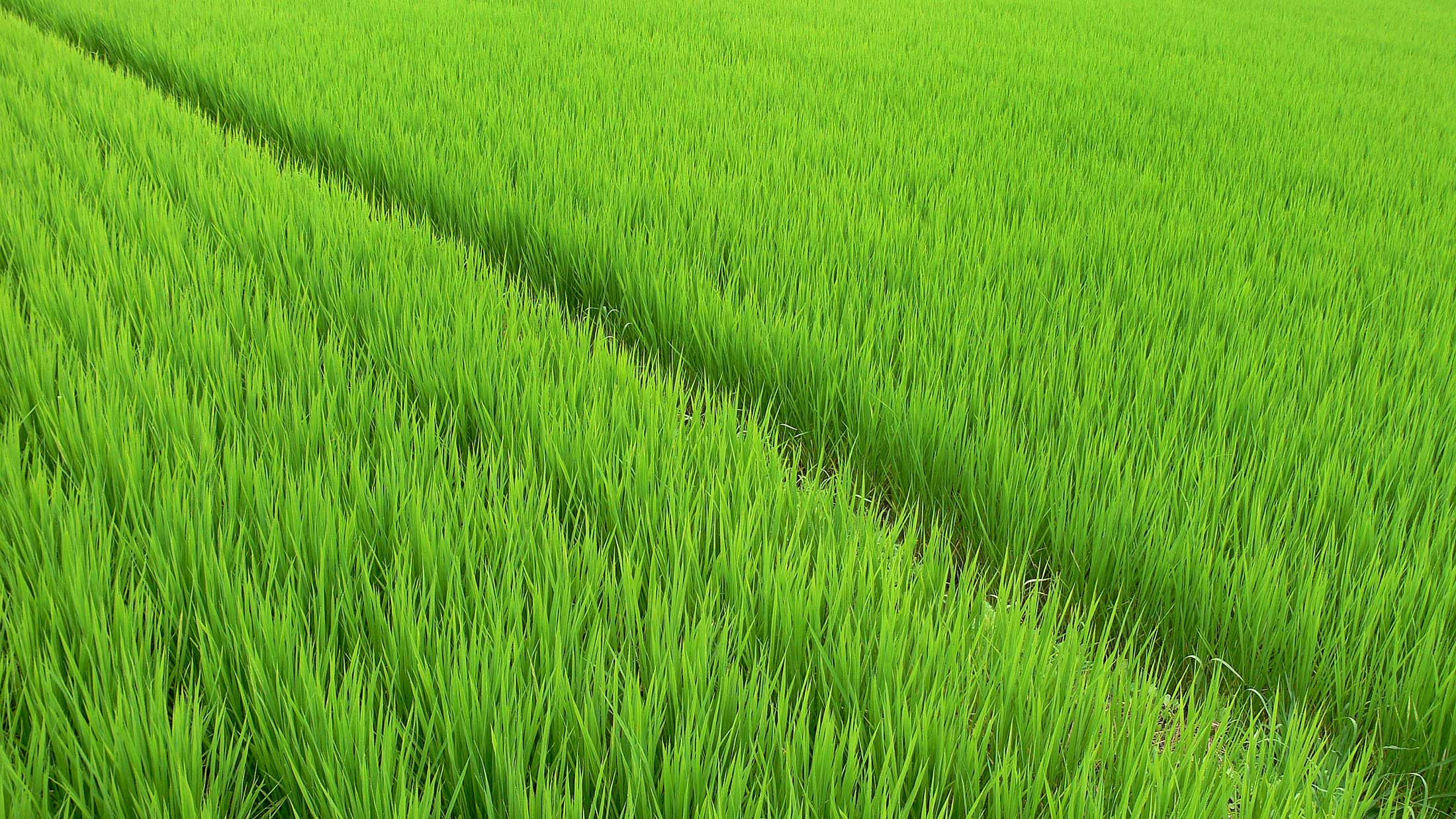
In June and July, seedlings are planted by hand into flooded fields. By November the grain has ripened and the crop is cut.
From the fields, the harvest comes to our own plant.
Each lot is cleaned, then sorted for size and colour. Steam is steamed and cooks white. Sela is parboiled in the husk and turns golden.
Then it is sealed in a 5 kg bag, with its grain length printed on the front.
Sela is parboiled for firmness, so it holds its shape under a long dum.
| Type | Rice | Average grain length |
|---|---|---|
| Steamed basmati | SteamBest for pulao, yakhni pulao, plain rice, zarda | 8.4 mm |
| Parboiled basmati | SelaBest for biryani | 8.4 mm |
| Traditional basmati | OriginalBest for daily meals | 7.2 mm |
| Long grain, not basmati | RegularBest for everyday rice, fried rice, kheer | 6.6 mm |
Every bag is 5 kg and sealed, with its grain length printed on the front. Each lot is cleaned and sorted for size and colour; trade buyers can ask for its test report on moisture, broken grains and grain length.
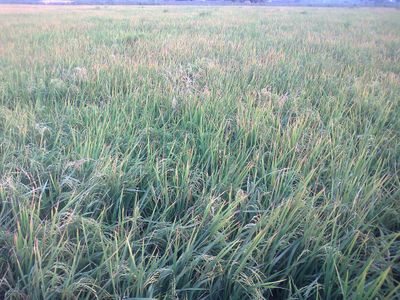
We called it Hima, not Himalayan: the rice grows on the plain below. The name is for the snow that makes the journey.